
Customer Support
(814) 646-3920
(814) 646-3920
(814) 646-3920
(814) 646-3920

Have you ever wondered what happens before a product makes it onto our shelves, or into our online catalog of over 100,000 items? At Countryside Quilts™, we don't just list products because they're popular or because a sales rep dropped off a sample. Every ruler, every mat, every spool of thread, and every notion goes through something we like to call "the sewing room test."
Today, we're pulling back the curtain and inviting you into our workspace. Consider this your backstage pass to how we decide what earns a place in our store, and what doesn't.
Here's a confession: we're picky. Really picky.
As quilters ourselves, we know that a slipping ruler can ruin an afternoon. A dull rotary blade can fray your patience faster than it frays your fabric. And thread that breaks mid-seam? That's enough to make anyone consider taking up a different hobby.
We've been there. We've experienced the frustration of tools that promise the world and deliver... well, not much. That's exactly why we made a commitment early on: if it doesn't perform, it doesn't make the cut.
This isn't just a catchy phrase. It's how we operate. Every single day.
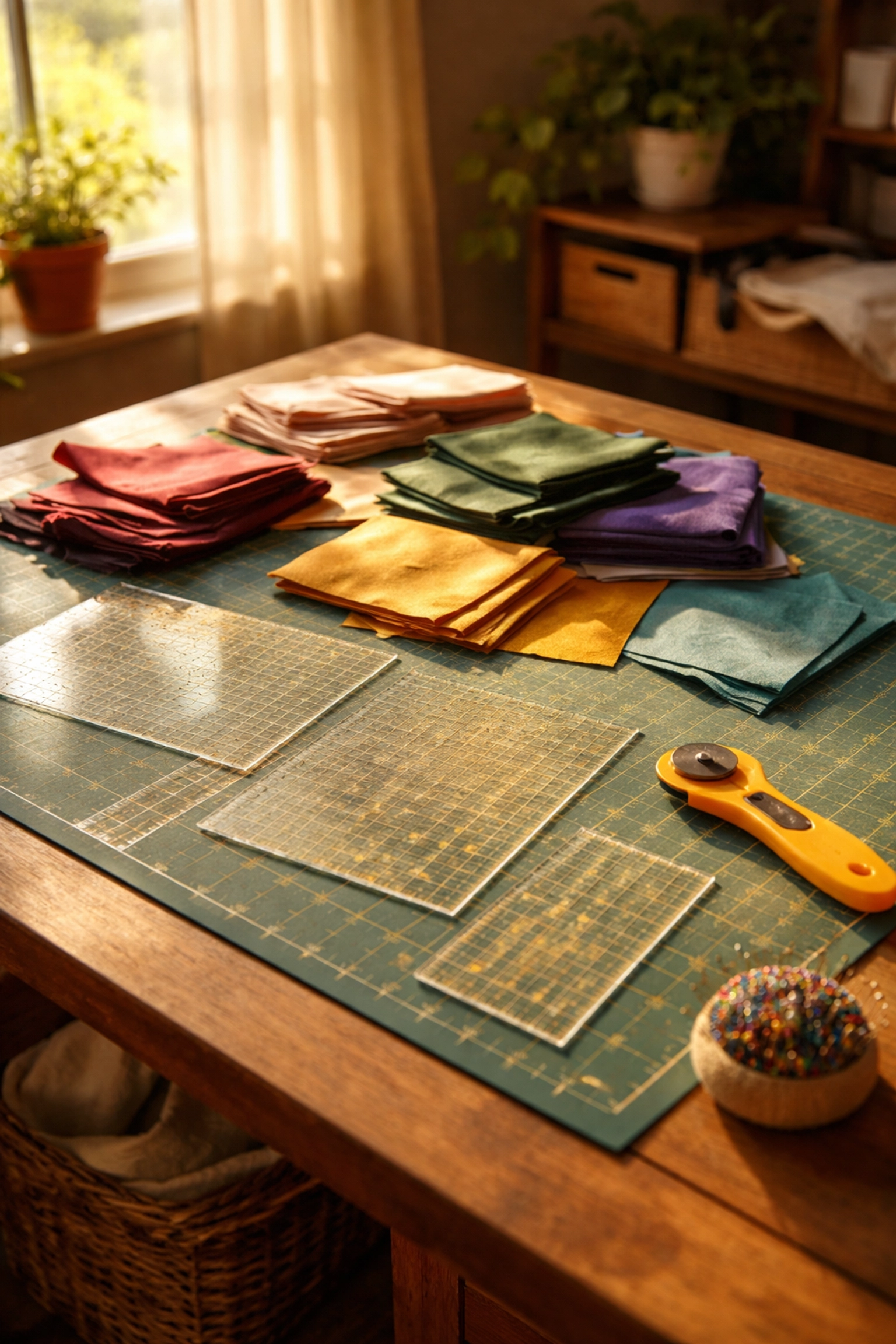
So what does testing look like in our sewing room? Let's walk through it.
When a new ruler arrives, whether it's a Creative Grids® specialty ruler or a Stripology® cutting system, we don't just admire it under the lights. We put it to work.
First, we check the basics:
Then comes the real test: actual cutting. We grab fabric from our stash (yes, we have a stash problem too) and start slicing strips, squares, and triangles. We're looking for grip. Does the ruler stay put, or does it slide around like it's auditioning for an ice skating competition?
We pay attention to accuracy. When the ruler says 2.5 inches, we want 2.5 inches, not 2.48 or 2.53. Precision matters when you're piecing together a quilt that needs to lay flat and look beautiful.
Thread might seem simple, but it's the backbone of every project you create. We take thread testing seriously.
When evaluating thread, whether it's cotton for piecing or polyester for longarm quilting, we look at several factors:
Tensile strength: Does it hold up under tension without snapping? We run it through machines at various speeds and tensions to see how it performs under stress.
Lint factor: Some threads leave behind a trail of fuzz that clogs your machine faster than you can say "tension issues." We want clean-running thread that keeps your machine happy.
Color consistency: A spool should look the same from start to finish. We've seen threads that shift in shade halfway through, not ideal when you're working on a cohesive project.
Smoothness: We run our fingers along the thread (old school, we know) and watch how it feeds through the needle. Rough spots or slubs? That's a problem.
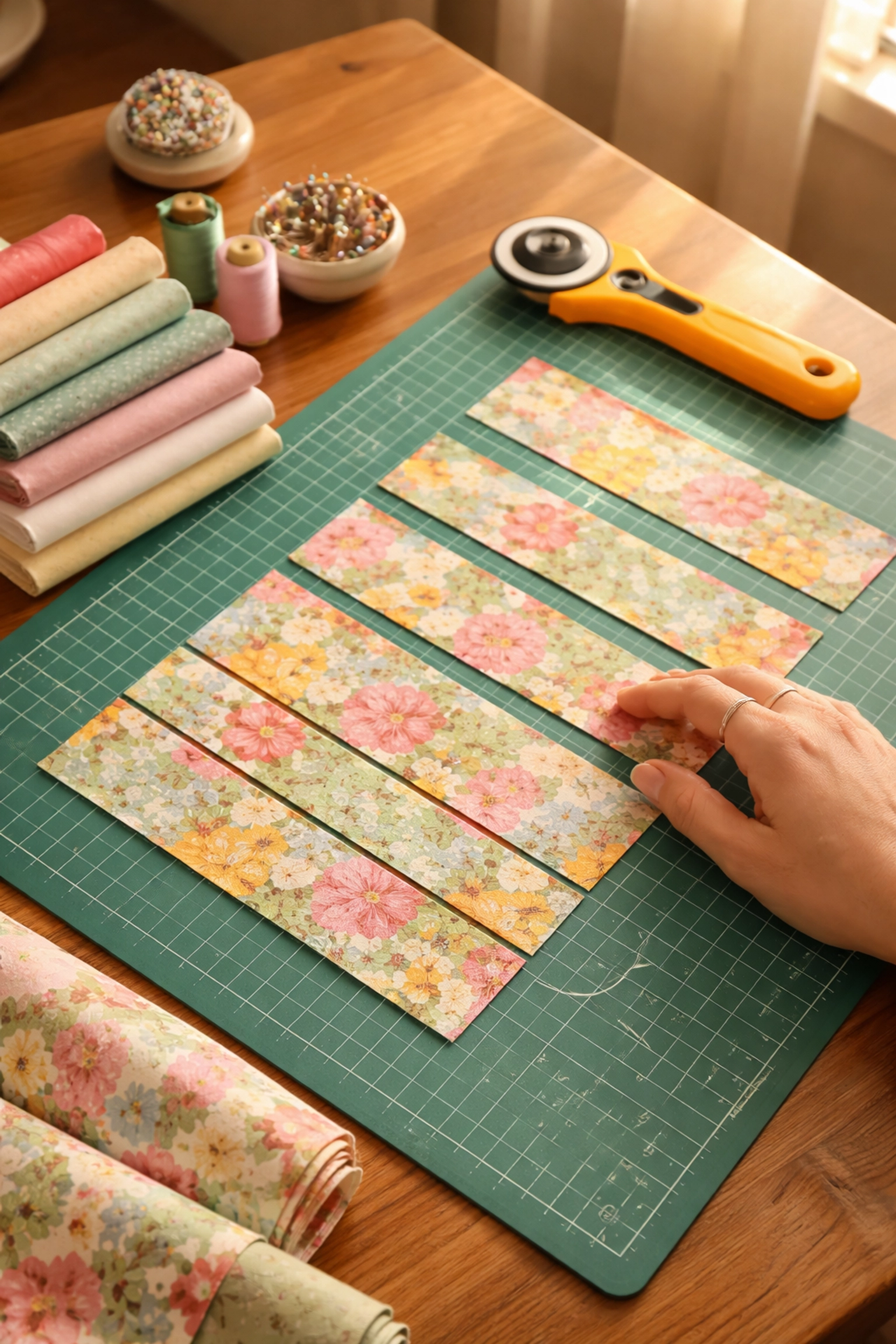
A cutting mat might seem like a passive tool, it just sits there, right? But a good mat protects your blades, provides accurate grid lines, and lasts for years. A bad one warps, fades, and turns your cuts into guesswork.
We test mats by:
From seam rippers to marking tools, from pins to presser feet, every little accessory gets evaluated. We ask ourselves: Does this make the quilting process easier, faster, or more enjoyable? If the answer is no, it doesn't belong in our catalog.
Here's something important: we don't test in a vacuum. Our team includes quilters with different skill levels, different preferences, and different projects in the works. What works beautifully for one person might frustrate another.
That's why we gather feedback from multiple perspectives. A beginner's experience matters just as much as an experienced longarm quilter's opinion. We want tools that work for everyone who walks through our doors, or browses our website.
We also listen to you. When customers share feedback about products, good or bad, we pay attention. Sometimes a tool passes our initial testing but doesn't hold up over months of real-world use. When that happens, we reassess. Your trust matters more than any product listing.
Not everything earns a spot in our store. In fact, plenty of products end up in what we affectionately call the "no" pile.
We've rejected rulers with confusing markings that would trip up even experienced quilters. We've passed on thread that performed fine in testing but came from manufacturers with inconsistent quality control. We've said no to gadgets that seemed clever but added complexity without real benefit.
It's not personal: it's about protecting your sewing time. Every hour you spend in your sewing room is precious. We're not going to fill it with tools that create more problems than they solve.
When you shop at Countryside Quilts™, you're not just buying products. You're buying our confidence in those products. We've already done the homework. We've already made the cuts, sewn the seams, and pushed the tools to their limits.
That means you can focus on what matters: creating beautiful quilts, learning new techniques, and enjoying the process.
Whether you're shopping our online catalog or visiting our Missouri location for longarm quilting services, sewing machine repair, or hands-on classes, you'll find the same commitment to quality.
We love talking about tools, techniques, and the quilting life. If you want to hear more behind-the-scenes stories, tips, and conversations with fellow makers, tune into the Countryside Experience Podcast: the voice of Countryside General Stores LLC, the parent company behind Countryside Quilts™. It's where we dive deeper into the craft we all love.

At the end of the day, our sewing room isn't that different from yours. It's a place where creativity happens, where problems get solved, and where the right tools make all the difference.
We test everything because we believe you deserve tools that work as hard as you do. No gimmicks. No empty promises. Just honest evaluation and a genuine love for this craft.
If it doesn't perform, it doesn't make the cut.
That's not just our standard: it's our promise.
Ready to explore tools we trust? Browse our collection at Countryside Quilts™ and discover why quilters nationwide count on us for quality, selection, and small-shop care.
{"one"=>"Sélectionnez 2 ou 3 articles à comparer", "other"=>"{{ count }} éléments sélectionnés sur 3"}
Sélectionnez le premier élément à comparer
Sélectionnez le deuxième élément à comparer
Sélectionnez le troisième élément à comparer
Laisser un commentaire