

Is Your Sewing Machine Trying to Tell You Something? Common Signs It Needs Service
Your sewing machine may not have a voice, but it has plenty of ways to communicate.
A new grinding sound. Skipped stitches. Thread nests that look like tiny fabric tumbleweeds. A handwheel that suddenly feels stubborn. These are not just annoying interruptions: they may be signs that your machine needs professional service.
At Countryside Quilts®, we know how frustrating it is when a dependable machine becomes unpredictable. Whether you are piecing a family quilt, working on alterations, sewing garments, or finishing a meaningful tribute project, your machine should help move the project forward: not become the project.
Here are the most common signs your sewing machine may be asking for attention, what you can safely check at home, and how the Jefferson City, MO Service Center can help.
1. Your machine suddenly sounds different
Every sewing machine has its own familiar hum. When that hum becomes a rattle, squeak, knock, grind, or clunk, pay attention.
Unusual noise can be caused by:
- Lint or thread packed into the internal mechanism
- Parts that need proper lubrication
- Worn gears, belts, or bearings
- Misaligned components
- A timing or drive-train issue
A small change in sound does not always mean a major repair is needed, but persistent noise should not be ignored. Continuing to sew while a worn part is struggling can sometimes turn a manageable service visit into a more involved repair.
If the sound begins suddenly or becomes harsh, stop sewing and arrange professional service.
2. Your stitches are skipping or looking inconsistent
Skipped stitches are among the most common clues that a machine needs attention. First, try the simple checks:
- Install a new needle appropriate for your fabric.
- Remove and completely replace the upper thread.
- Rethread with the presser foot raised.
- Check that the bobbin is inserted correctly.
- Test on a fresh scrap of fabric.
If stitches are still skipping, loosening, puckering, or changing length unexpectedly, the problem may involve timing, tension, feed dogs, or internal alignment.
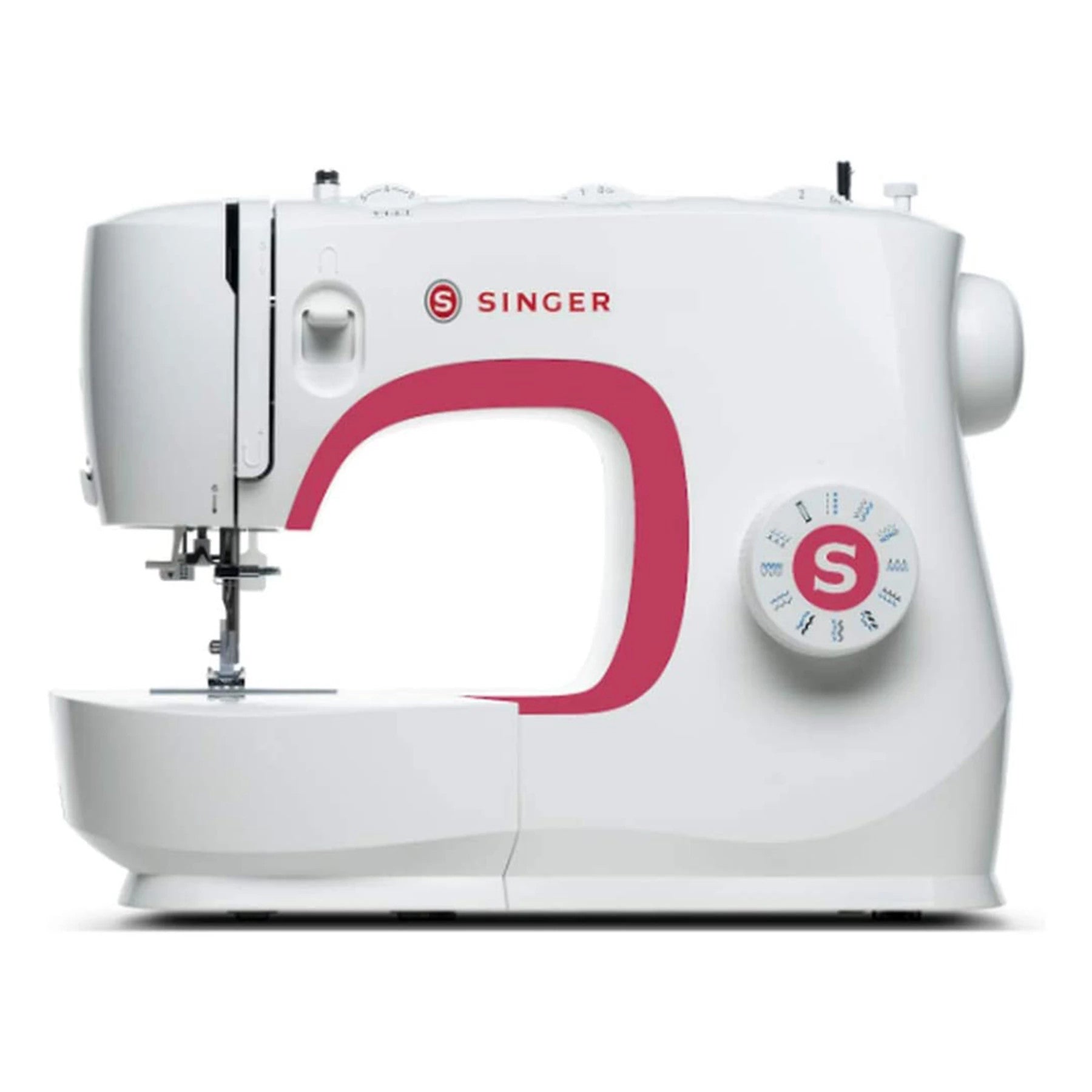
A new needle can solve many everyday stitching problems. It cannot, however, correct worn timing components or a tension assembly that needs adjustment. When basic troubleshooting no longer works, it is time to let a technician inspect the machine.
For routine care tips, read our Sewing Machine Maintenance Checklist.
3. Thread keeps breaking, tangling, or nesting
A little thread drama happens to every sewist. Persistent thread trouble is different.
Watch for:
- Loops or snarls underneath the fabric
- Thread breaking repeatedly
- Bobbin thread pulling to the top
- Upper thread shredding
- Tension changing from seam to seam
- Thread nesting even after careful rethreading
Before adjusting every dial in sight, completely rethread the machine and check your needle. Make sure the thread is seated in every guide and that the bobbin is wound evenly.
If the issue continues with quality thread and a fresh needle, the tension assembly may need cleaning, adjustment, or repair. A technician can also check for burrs around the needle plate, bobbin case, or hook area: tiny rough spots that can snag thread and create large headaches.
4. Fabric is not feeding smoothly
Your machine should move fabric steadily beneath the presser foot. If you find yourself pushing, pulling, or constantly correcting the fabric, something may be interfering with the feeding system.
Possible warning signs include:
- Fabric feeding unevenly
- Fabric getting stuck near the needle or bobbin area
- Feed dogs failing to rise properly
- Seams becoming crowded or stretched
- The machine struggling with fabrics it previously handled well
Feed dogs can become clogged with lint or may need adjustment. In other cases, the issue can involve timing, presser-foot pressure, or worn internal parts.
Do not force the fabric through the machine. Your hands should guide the project: not act as an extra motor.
5. The handwheel feels stiff or difficult to turn
A stiff handwheel is a strong reason to pause your project.
Resistance may come from:
- Thread wrapped around internal parts
- Lint buildup
- Dried or insufficient lubrication
- A jammed hook assembly
- A belt, gear, or bearing beginning to fail
Turn the handwheel gently and never force it. If it will not move smoothly after you remove the needle, presser foot, bobbin, and visible thread, professional service is the safest next step.
This is especially important for older machines that have been stored for years. A machine can look perfectly fine on the outside while internal lubricants have dried or rubber components have hardened.
6. Your machine has electrical or motor problems
Some symptoms should be treated as urgent.
Stop using the machine and unplug it if you notice:
- A burning smell
- Smoke or sparking
- A motor that becomes unusually hot
- The machine starting slowly or in a jerky way
- The machine shutting off during sewing
- A power switch that no longer behaves normally
Electrical issues are not a good place for guesswork. Do not continue sewing “just to finish this one seam.” That one seam has a suspicious habit of turning into twenty more.
The Countryside Quilts sewing machine service team can help determine whether your machine needs maintenance, parts, electrical diagnosis, or a more detailed repair evaluation.
7. Needles are breaking more often
An occasional broken needle can happen when sewing over a thick seam or an accidental pin. Frequent needle breakage is another story.
Repeated breakage may indicate:
- Incorrect needle size or type
- A bent needle bar
- Timing problems
- A damaged needle plate
- A bobbin-case issue
- Presser-foot or feed alignment trouble
If the needle strikes the plate or bobbin case, stop sewing immediately. Continuing can damage additional components and may create a safety hazard.
Bring the machine in for inspection, and if possible, make note of what you were sewing when the problem occurred. Fabric weight, thread type, stitch setting, and needle size can all help the technician identify the cause.
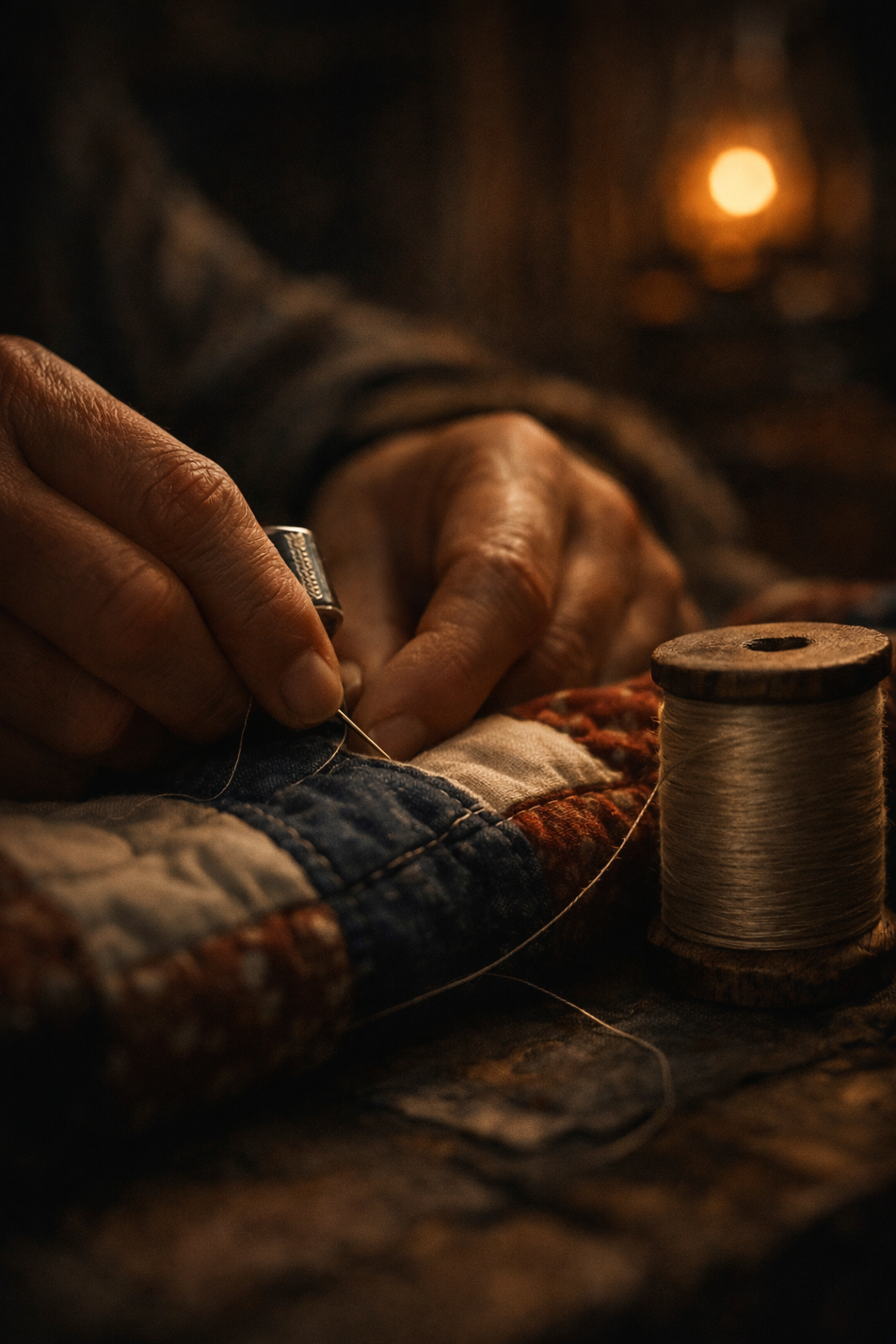
8. Your machine has been sitting unused
A machine does not have to be actively misbehaving to benefit from service.
Professional maintenance is worth considering when:
- Your machine has not been serviced in a year or more of regular use
- It has been stored for several years
- You inherited it from a family member
- It was exposed to dust, moisture, or temperature changes
- You are preparing for a large or important project
Regular service helps identify wear before a major failure interrupts your work. It can also be especially helpful before beginning a wedding quilt, memorial project, military tribute, or other piece where consistency matters.
What happens during professional sewing machine service?
At the Jefferson City, MO Service Center, service begins with listening. Tell the team what you have noticed: the sound, the stitch problem, when the issue started, and what troubleshooting you have already tried.
Depending on the machine and symptoms, service may include:
- Test sewing with appropriate fabric and thread
- Inspection of the needle, bobbin, hook, and feed systems
- Cleaning of lint and thread buildup
- Lubrication where appropriate for the model
- Tension and timing checks
- Inspection of belts, gears, motors, and electrical components
- Replacement recommendations for worn or damaged parts
- Final testing after adjustments or repairs
Countryside Quilts® combines modern service technology with old-fashioned, neighborly attention. You can also use the online service status page to track a machine or quilt using the ticket number from your receipt or pickup slip.
Make service planning easier with online tools
Service questions do not always arrive during business hours. Countryside Quilts® provides 24/7 online access to service information, quote requests, average-cost guidance, and budgeting tools so customers can begin planning whenever it is convenient.
Online tools can help you:
- Request a service quote
- Review average cost information
- Estimate a project budget
- Understand possible service options
- Track an item already at the Service Center
For the most accurate repair quote, include your machine brand and model, describe the symptoms, and mention whether the machine has been dropped, stored for a long time, or exposed to unusual conditions. Final pricing may depend on diagnosis, parts, labor, and the depth of service required.
Countryside Quilts® serves customers across the United States, so support is not limited to makers who live near Jefferson City. Whether you are local or nationwide, our goal is to make service information easier to access and projects easier to finish.
Visit the Jefferson City Service Center
The Countryside Quilts® Service Center is located at:
2117 Missouri Blvd
Jefferson City, MO 65109
Phone: (573) 616-1670
The Service Center provides sewing machine repair and maintenance along with professional longarm quilting services. If your quilt needs finishing while your machine needs attention, both services are available through the same trusted Countryside Quilts® team.
Countryside Quilts®, owned and operated by Countryside General Stores LLC, is more than a quilting and sewing supply store. We are a creative home for makers, doers, and creators who get things done: with over 38,000 products ready to ship to your door.
Visit www.countrysidequilts.com to explore services, supplies, and support. For more information about the company behind Countryside Quilts®, visit www.countrysidegeneralstores.com.
When your machine starts making suspicious noises, producing unruly stitches, or refusing to cooperate, listen closely. It may be telling you that a little professional care will help you get back to the work you love.
Let’s keep stitching greatness.


